
 PL
PL  EN
EN 
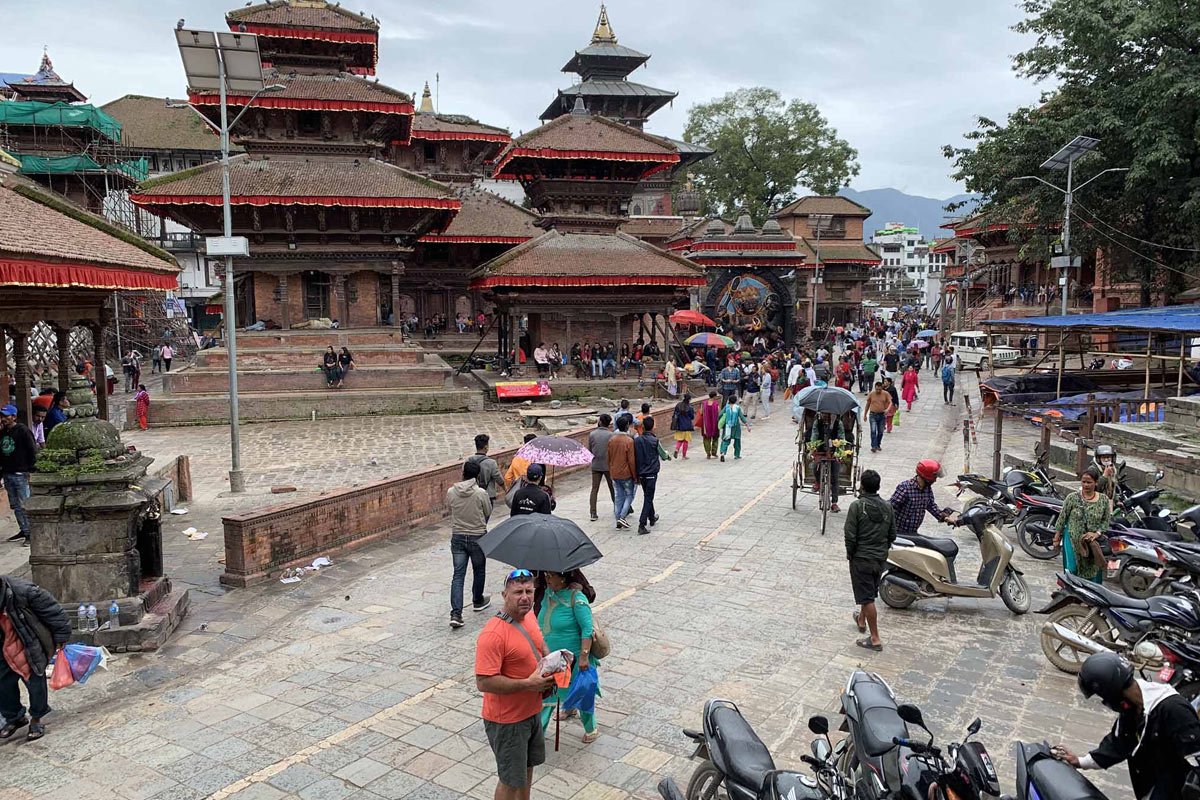
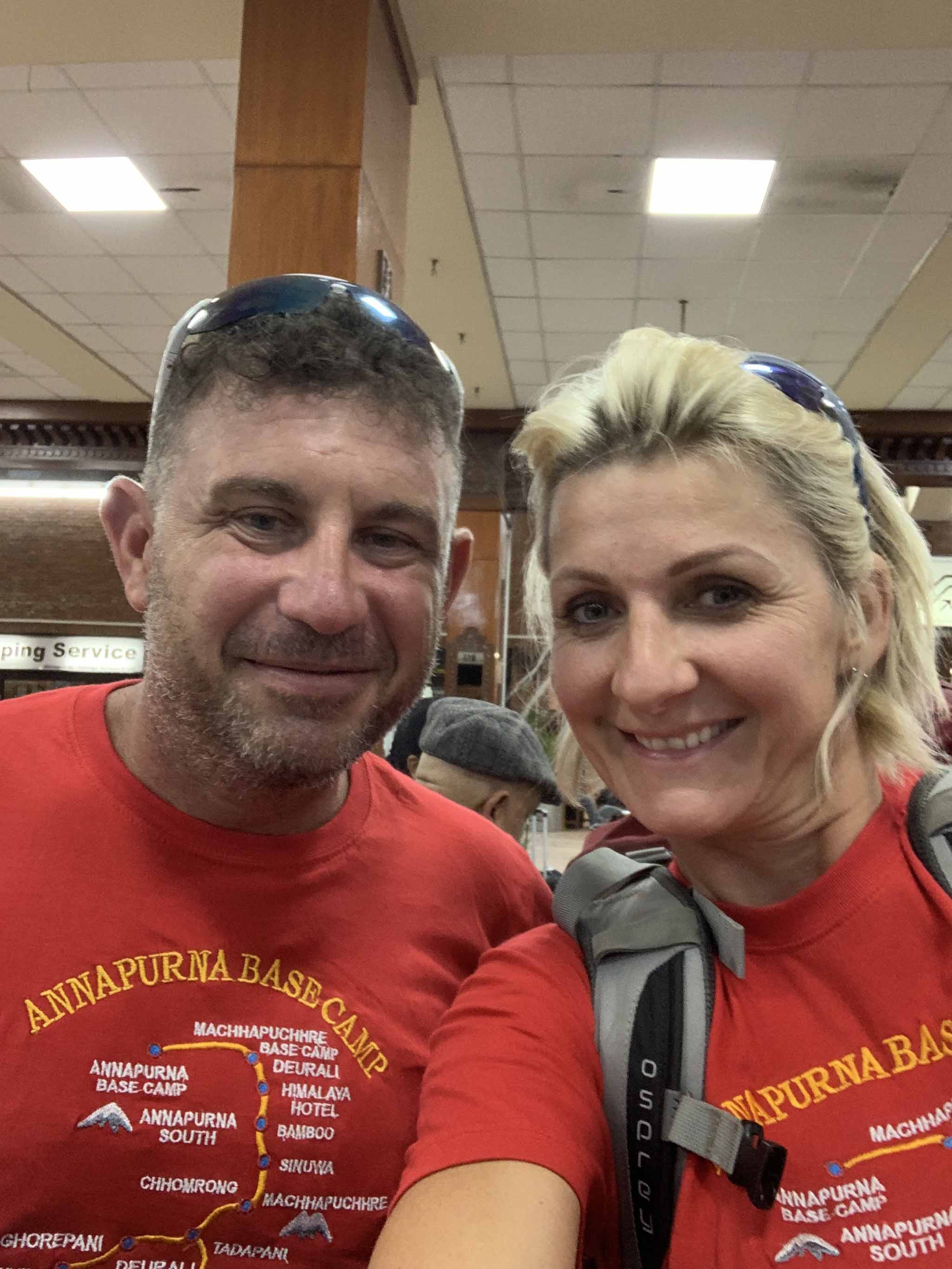
We went to Nepal when we decided to go on an expedition to Anappurna Base. The Himalayas are the highest mountains in the world, how could we not have been there yet? It was time to change that. So the tickets were bought. The route was chosen, time to pack the equipment. Best time to visit Nepal is October November time. How much time for the city? We only have day and half but 3 days will be more than enough to explore the whole city.
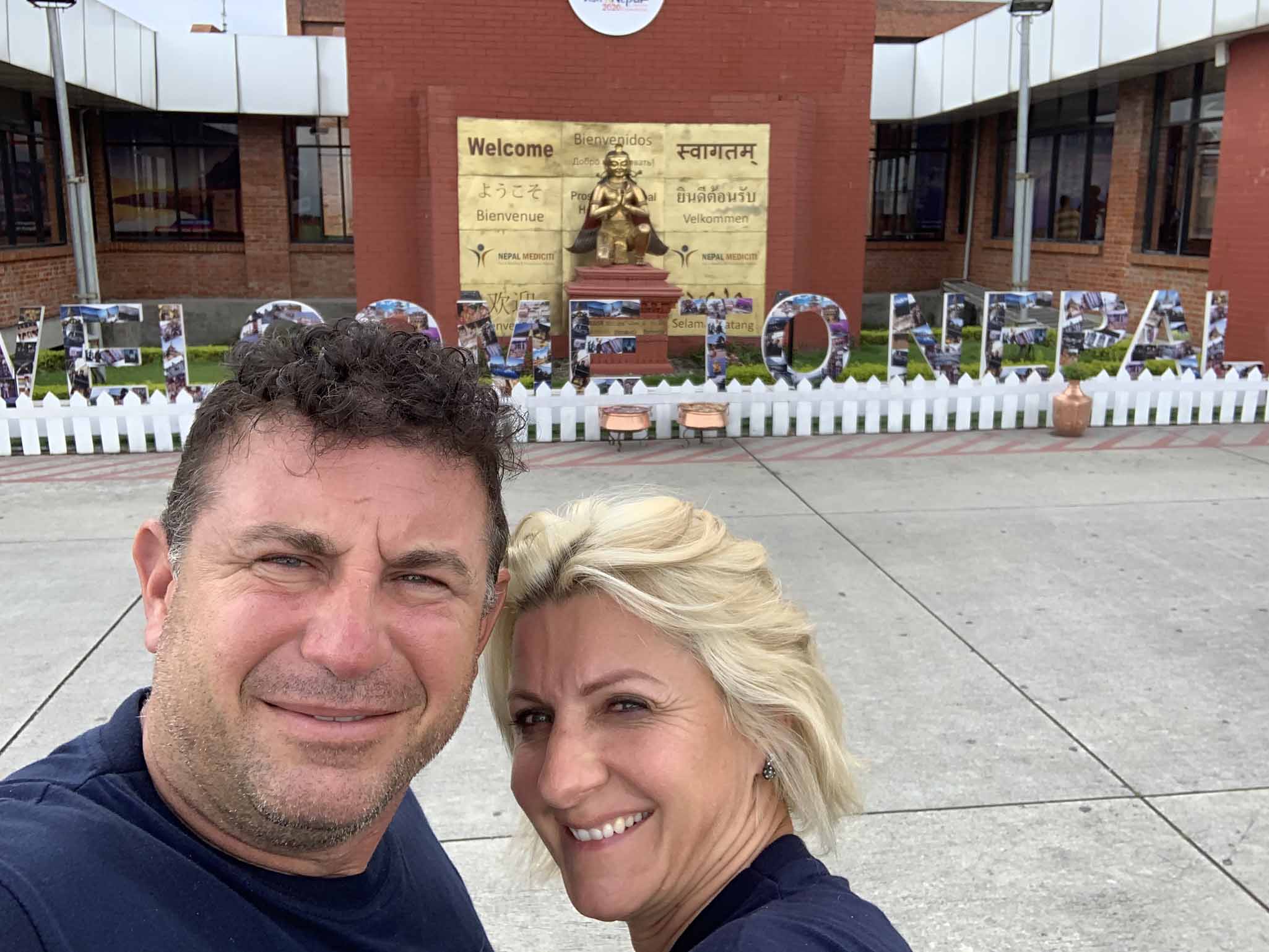
Day one of Himalayas expedition; Kathmandu
What to pack? Kathmandu is a gate for hiking in Himalayas, but the city herself don’t require any special equipment. Remember in Buddhist and Hindu temples you have to dress properly. When dressing for a Buddhist temple, it's best to wear modest clothing, covering your shoulders and knees, with no revealing tops or short skirts;
Little information on Nepal
Country which proudly can be called the roof of the world. Nepal is a paradise for hikers. Every traveler will find something for themselves here. You will ask why?
In Nepal you will encounter five climate zones. Each of the five zones will allow you to experience something different. Mother Nature will not let you get bored.
In the lowest part (up to 1200 m above sea level) you will be able to experience a tropical-monsoon climate. Here in January it will be 15°C, and July hot up to 30°C. In this region, the wind from the west called Loo often blows, (.The Loo is a strong, dusty, gusty, hot and dry summer wind from the west which blows over the Indo-Gangetic Plain region of North India and Pakistan) and it is responsible for the summer heat.
The next climate zone is the temperate climate from 1200 to 2100 m above sea level) but still under the influence of the monsoon zone. Here we will still feel the effects of 2000 mm of rain per year. At altitudes of 2100 to 3300 m above sea level we have the most favorable bioclimatic, temperate, cool climate. It is characterized by warm summers and cool winters. Next in line will be the alpine climate with cool summers and winters (altitude from 3300 to 5000 m above sea level) and the high-mountain climate - tundra (altitude above 5000 m above sea level).
From rainforest to menacing exposed rocky ridges of peaks you can see, this is a paradise for nature and travel lovers.
The capital of Nepal is Kathmandu. The second largest city is Pokhara. You will hear from us about this city again in future posts. . As Kathmandu is the center of international tourism of Nepal, the capital of Himalayan expeditions is Pokhara.
After many hours of flying, we finally touched solid land. If you travel from Europe you will definitely get the quicker. Flying from JFK or Newark is not so long. However, we are in Florida so flying anywhere comes with extra hr’s.
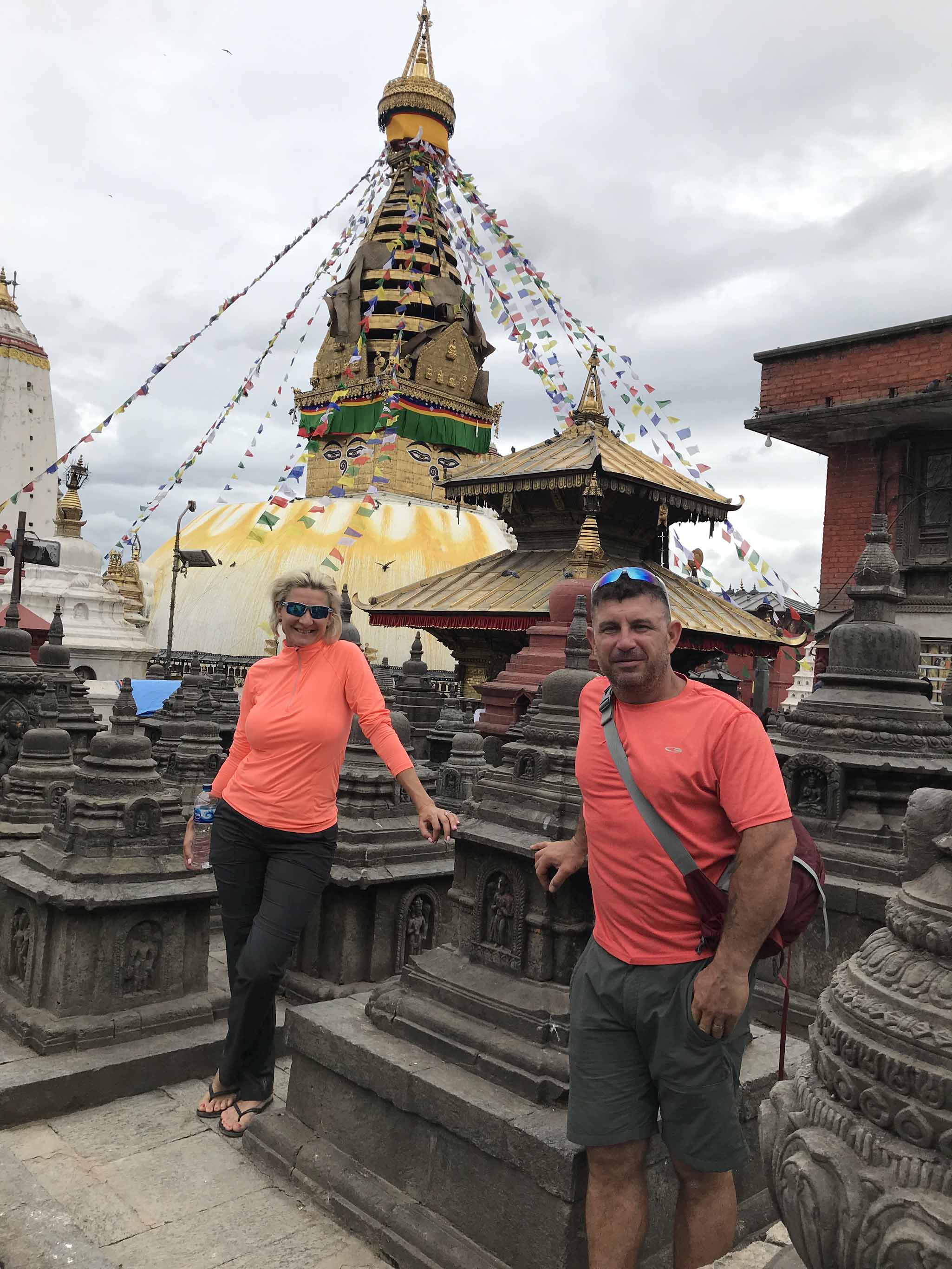
Kathmandu
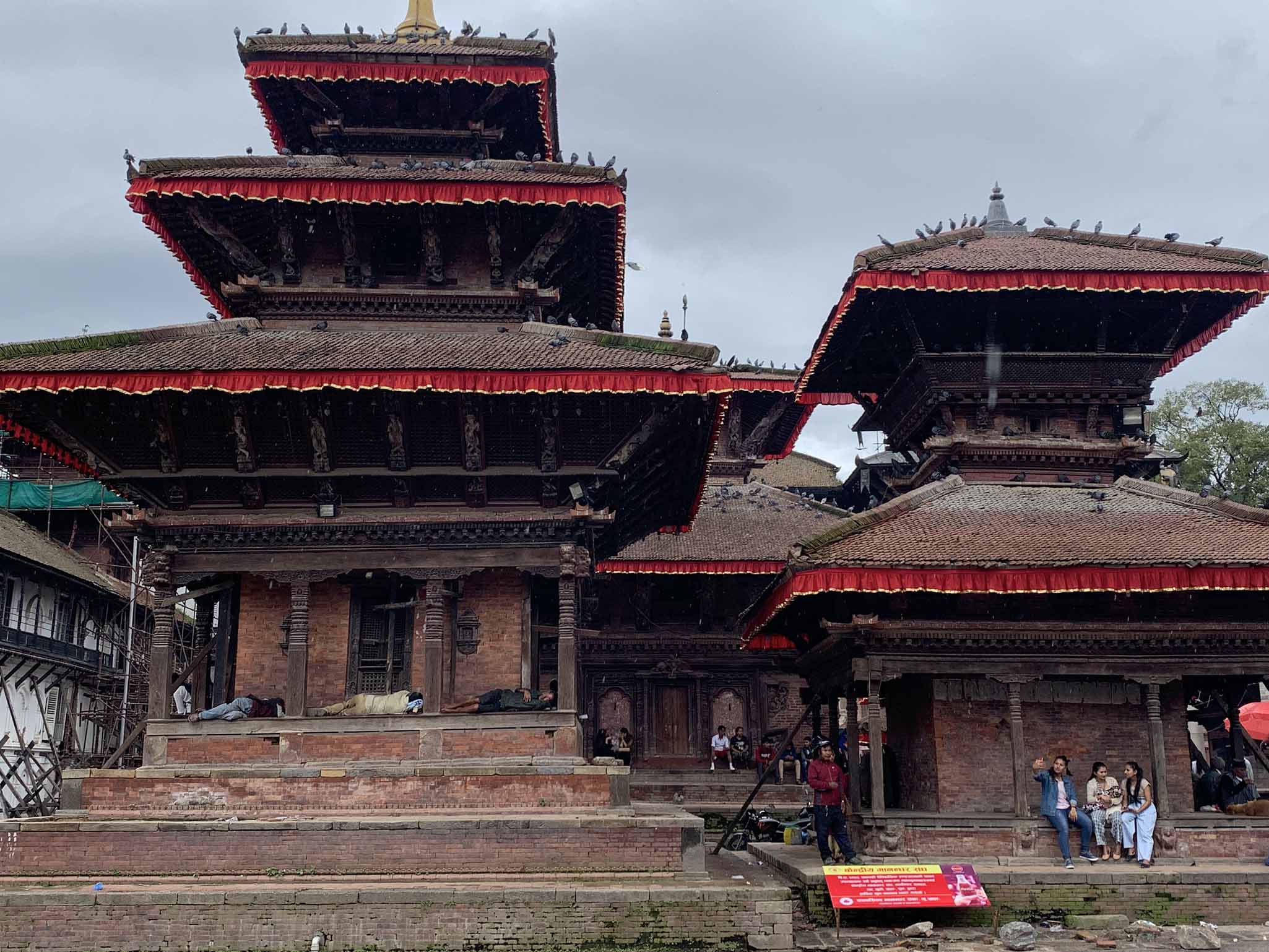
We definitely will not write about Kathmandu itself as you will found in Wikipedia. That’s definitely not our intention to bore you to death with dry information.But little dry information its OK :) The city itself is almost 2,000 years old, and it is sanctuary of Buddies and Hindu temples, but also testimony of Catholicism and Islam in the area. That’s hat is why the city was named Kathmandu Valley World Heritage by UNESCO. The capital of Nepal has been hit by many earthquakes before, but the last one in 2015 was devastating. Thousands of victims, millions in losses, and the city and temples are still standing. The mishap of higher powers? What is worth mentioning is the historical value of this place. Kathmandu was important in ancient times do to location. Indian traders were regularly making their way to the Kathmandu Valley, which lies across one of the main pathways linking India with Tibet and the ancient east-west trade routes.
Where to stay:
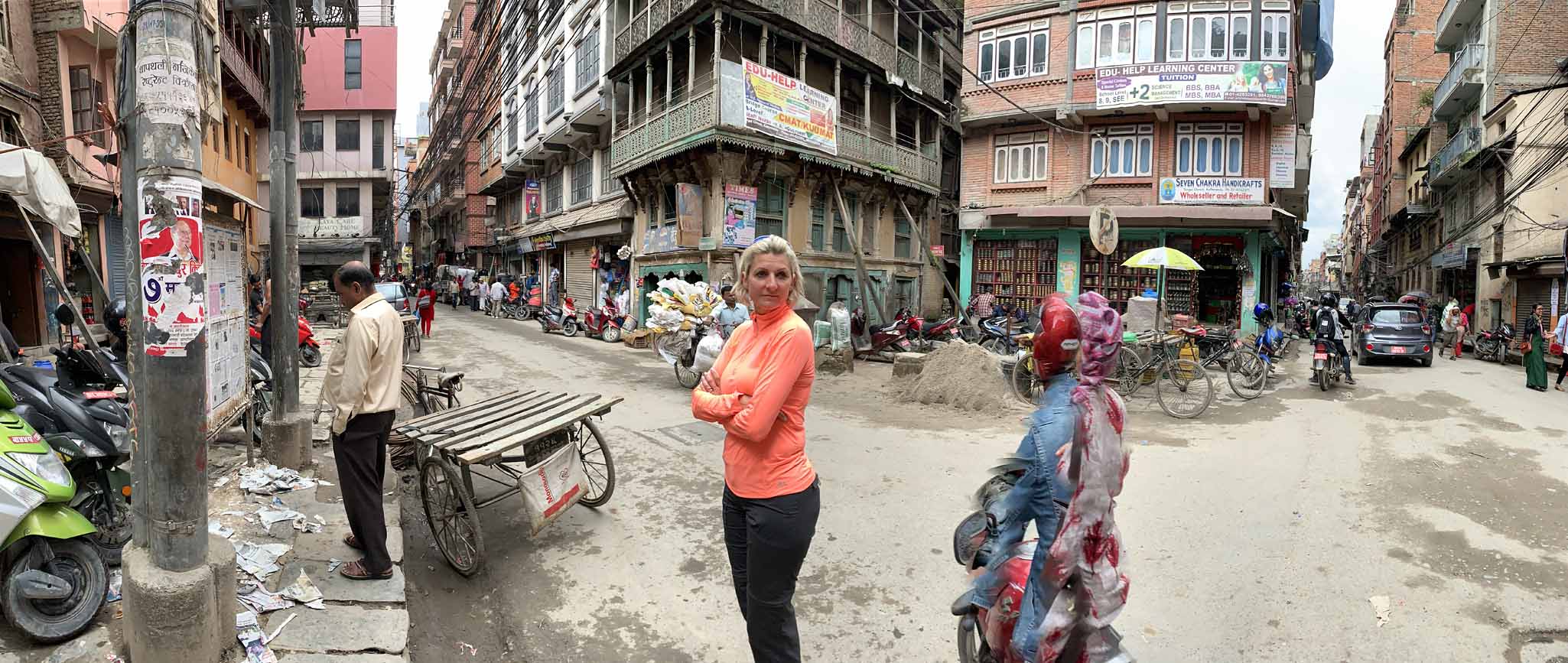
Thamel is the name of the district where tourists camp. It is a district with hotels and hostels for every budget. The district is teeming with people from all over the world. There is probably no language that we would not hear on the street. The lower part of the buildings are shops interspersed with restaurants. The shops have a huge amount of equipment. However, 99.9% are cheap counterfeits. But in case you forgot something you can easily replace. Of course, it will come with a prayer that it will last until the end.
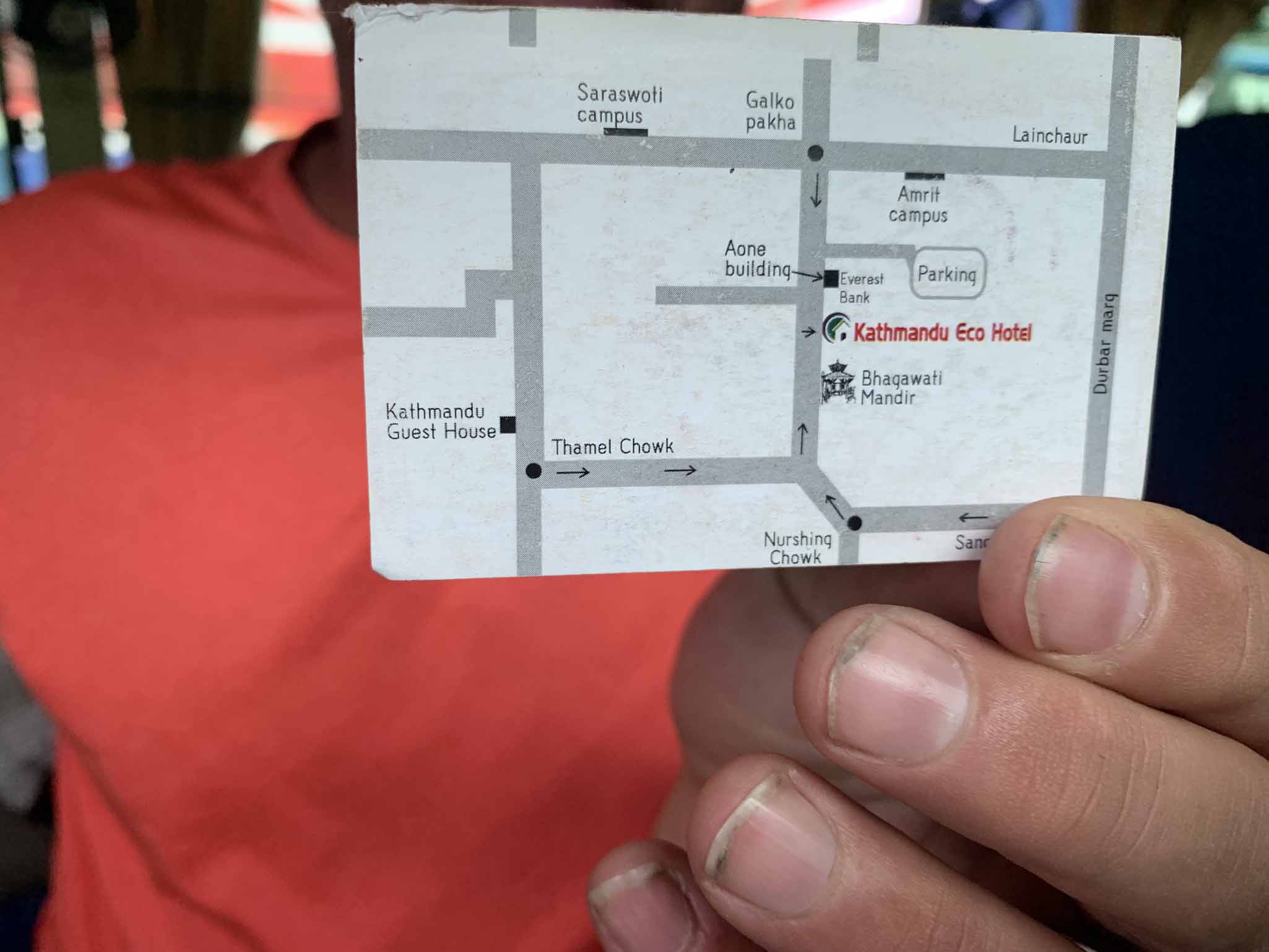
We stayed at Hotel Elegant Kathmandu, but don’t stress over the reservation, there are simply plenty of hotels/hostels throughout the district. That was on the day one. Before we start moving to Pokhara. We also stay in Kathmandu Eco Hotel PVT. LDT. (https://www.kathmanduecohotel.com/) we really recommend this particular one for cleanness, friendly personnel and location. As we say, The commendations are fore everyone budget. You can find a bed for $15 or a luxury room for $100 and up, one thing is for sure no one will be homeless. On average you need to estimate around $50 per day for hotel/hostel. Please remember do to season or special events prices will change:)
One thing we must mention is that the quality of washing the bedding is not at the highest level, so if you are "sensitive" we recommend purchasing the Sleeping Bag Liner Ultralight.
Transportation and how to get around
There is a Nepali mobile app, Baato Maps and it can be used asa you bus rout planer. Personally we haven't come across a actual bus schedule or anything like that. however, the friendly attitude of the locals towards tourists makes it not so inconvenient. Additionally, you can always ask a kindred spirit of the traveler about the location of the new stop. If You planing to stay in Kathmandu short period of time renting car may be not the best option. To be honest, we travel in many countries and Nepal right after Peru was on the top of the list of most stressful countries if coming to driving. Very pore quality of roads as well as customs of local drivers may be little to harsh for western driver. You are here on vacation, not on “heart attack” mission . So … taxis or Kathmandu Tuk Tuk or traditional rickshaw will be best alternative for you. Taxis will run you different tariffs depends of the time of the day. But it is minimal deferents . So for 1 km of taxi ride you will pay in average $0.60.( of course prices can change so don’t hold us responsible when they go up ha ha ) There is no Uber or Lift in Nepal , but you can use substitute with apps such as Pathao, InDrive, Taximandu and Tootle.
Maybe not of the highest standard but definitely the fastest and cheapest means of transport in Kathmandu. You do have alternative of travel in mini bus but thats more for local work force from and back home on suburbia. If You stay in Thamel you will not need much of transportation , you can get to almost all major spots by foot. “12Go “website its best to organize your trip from Kathmandu to Pukhara( 12go.asia/en/bus/kathmandu/pokhara ) This will be helpful when you are visiting and planing to go to the Himalayas and don’t want to spend fortune on the flight. Sorhakhutte bus station is the place from where most buses to outside Kathmandu leaves. It is located in near distant from Thamel. (The Address :Naya Bazaar Marg, Kathmandu 44600, Nepal) There is also one something you need to remember that bus for locals will be slightly less comfortable as the tourist one Ha ha :
Kathmandu : To check updated prices of entry fees to iconic places in Kathmandu visit this site.
New definition of Exotic
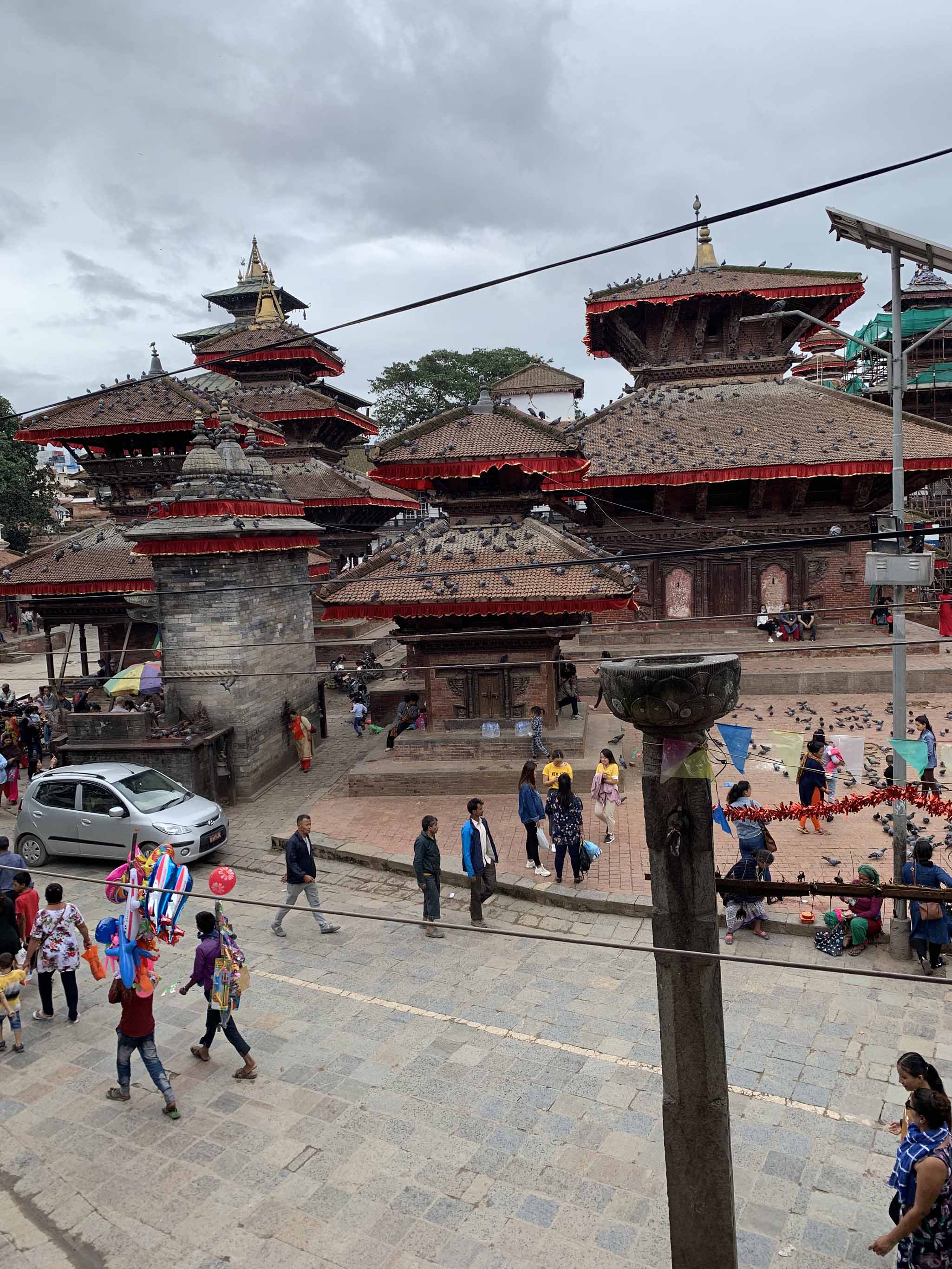
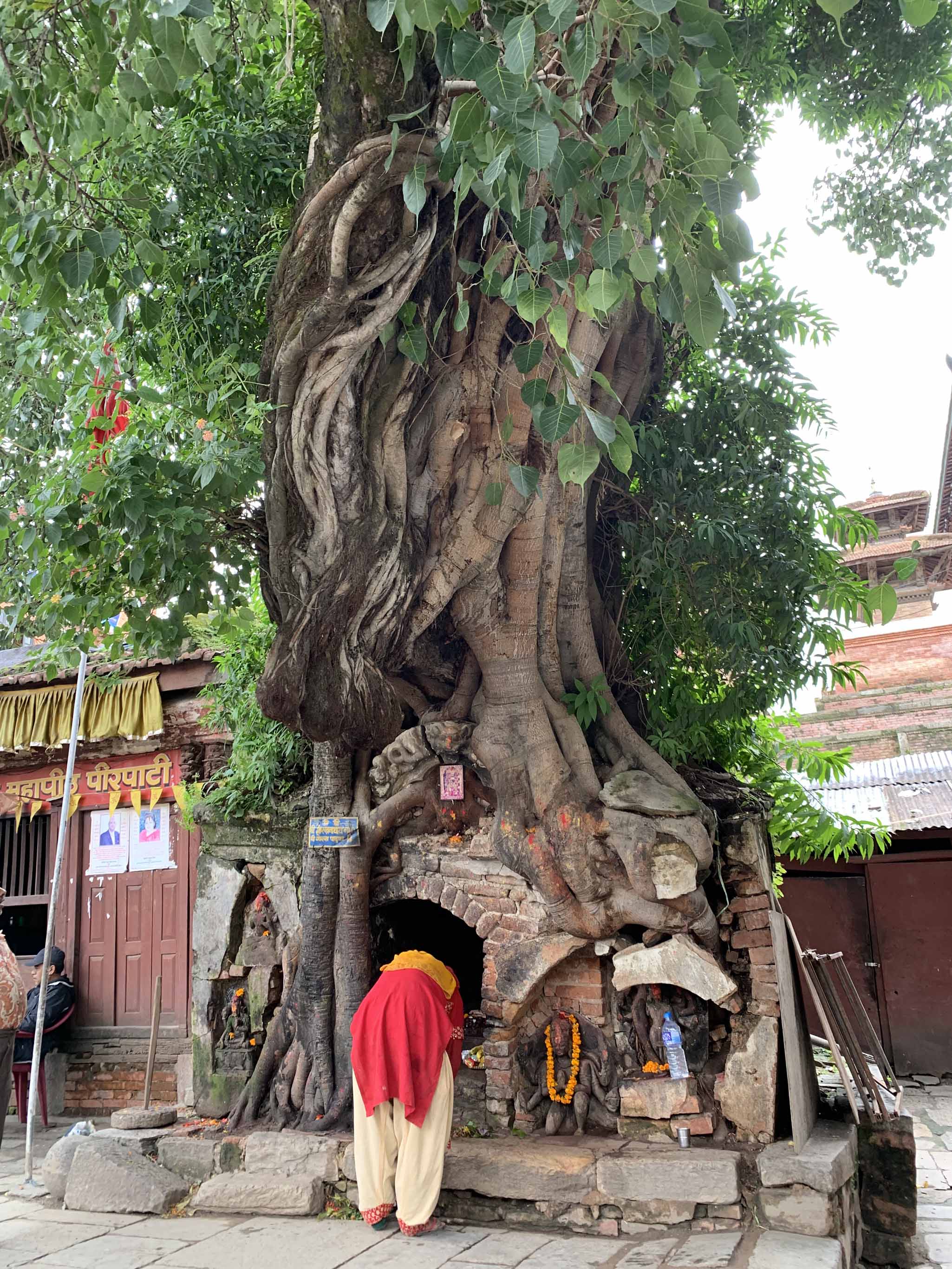
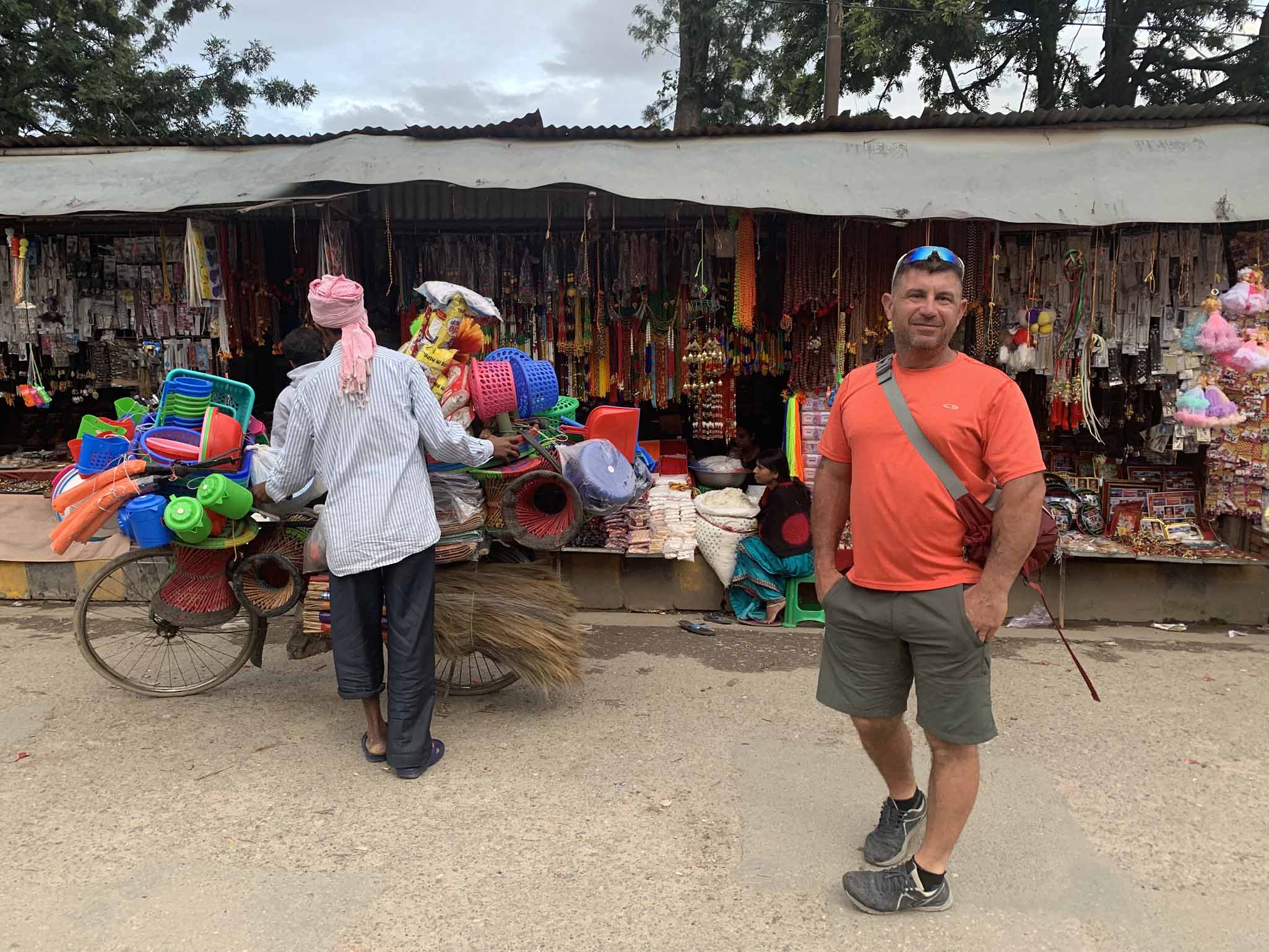
We have to prepare you … Kathmandu, despite its reputation for exoticism, is rather different from the common idea of “exotic.” The first thing we no-ticed was the dusty air. It was everywhere and you can almost taste it. The streets of the capital of Nepal are narrow and crowded. A huge mass of people moving in the hustle and bustle, looking as if they were immersed in complete chaos, yet having complete logic in their actions. The streets are a bit like medieval European cities, with gutters filled with axes and excrements, mountains of waste left to itself. (we don’t recommend flip flaps) Historic buildings, beautifully carved gates and house decorations combine with the modern cascade of colors of various garbage, creating a grotesque kind of art.
The tourist district of Kathmandu is full of life not only during the day. Here, in the darkness of the night, a new form of life is reborn every night. The streets are filled with colors and the sounds of music. Here, traditional folk clothing go hand in hand with modern sexuality. Shopkeepers shout even louder than during the day. Their voices are the only lure in the "night hunts”. The streets are filled with the smell of Dal-Bhat and grill meat, and the sweet scent of exotic spices intertwines with it. A real paradise for all senses.
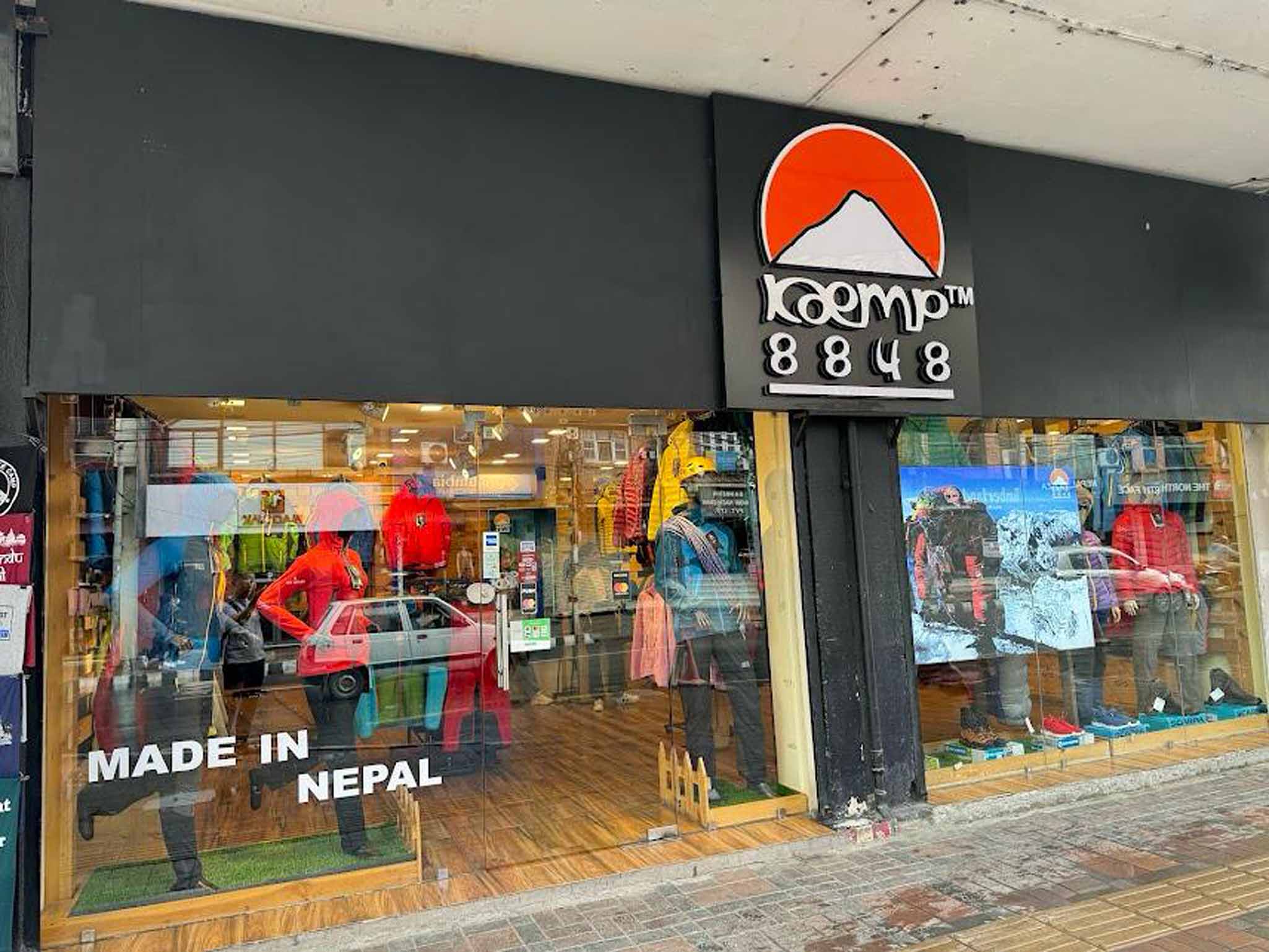
If it comes to shopping, Thamel is the place for you. However, despite the splendor of the shops, you will quickly realize that these are fakes. Some are better, some are worse lol. Don't be fooled by the high price, it's a marketing ploy by friendly sellers. (As a US Marine, my guiding principle for thriving in adversity was Adapt, adjust, and overcome so power to you). But if you are really in need of last minute gear you will get it . The real stuff is in brand store. We personally like is Kaemp8848. They have fantastic and very high quality clothing.
I GOOD NEWS FOR YOU, IF YOU WILL MENTION OUR BLOG YOU GET 7% DISCOUNT
And please don't panic that the Nazis have not revived but you will see swastika symbol everywhere. It's a sign of happiness and good luck and been here for centuries.
Dinning
During the tour, you ( we did ) will get hungry. Traditionally, as in every country, we want to indulge in the delicacies of the local cuisine. So far, we have familiarized our-selves with Dal -bhat (pronounced dāli bhāt ) It consists of steamed rice and a cooked lentil or other pulses stew called dal. We also have a chance to try local Sekuwa. Sekuwa a popular street food of skewered and grilled meat, often marinated in yogurt, mustard oil, and spices. Sekuwa can be made with chicken, mutton, or buffalo. It is very delicious. However ,we stop and try different flavor MoMo’s.
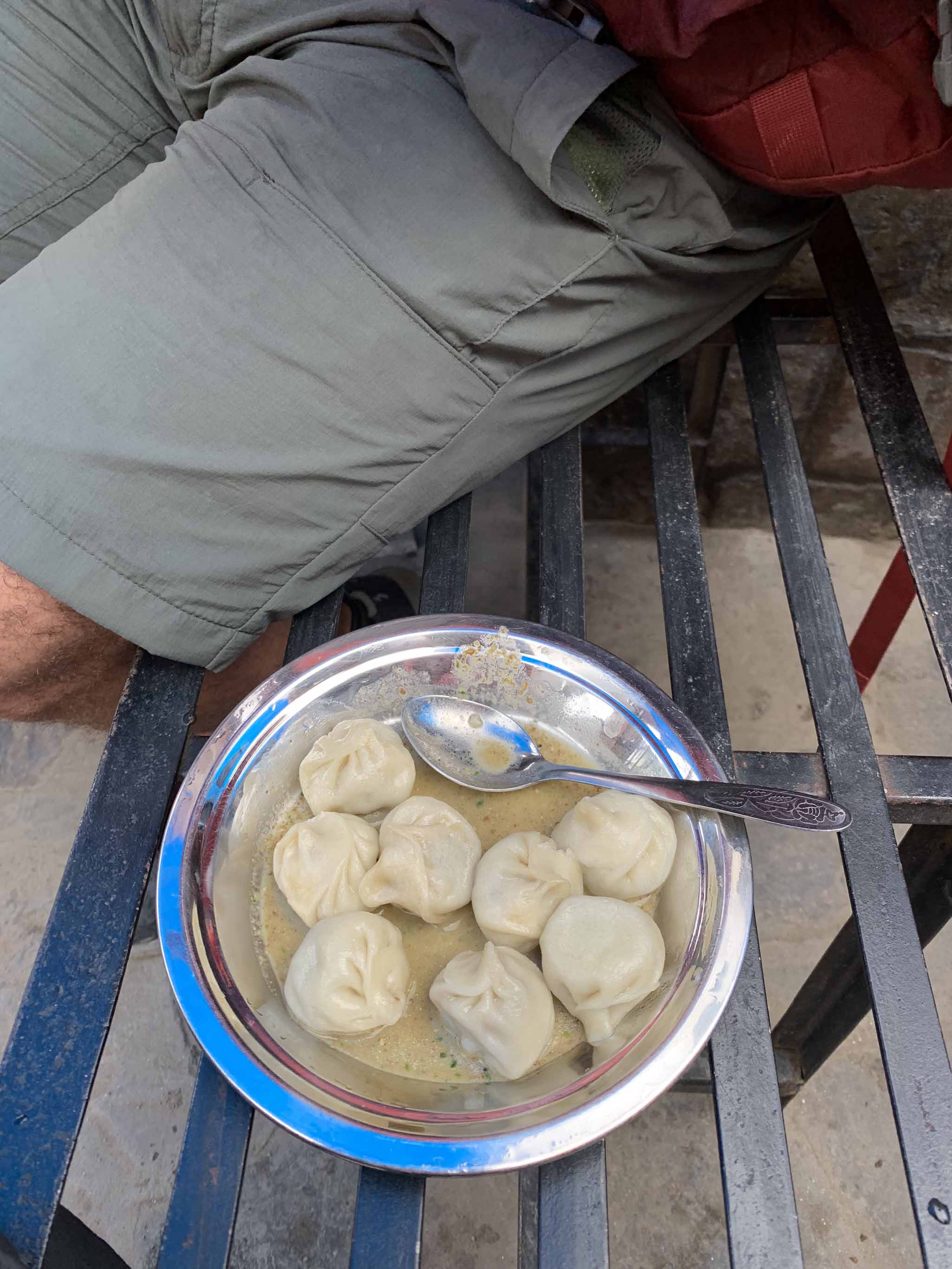
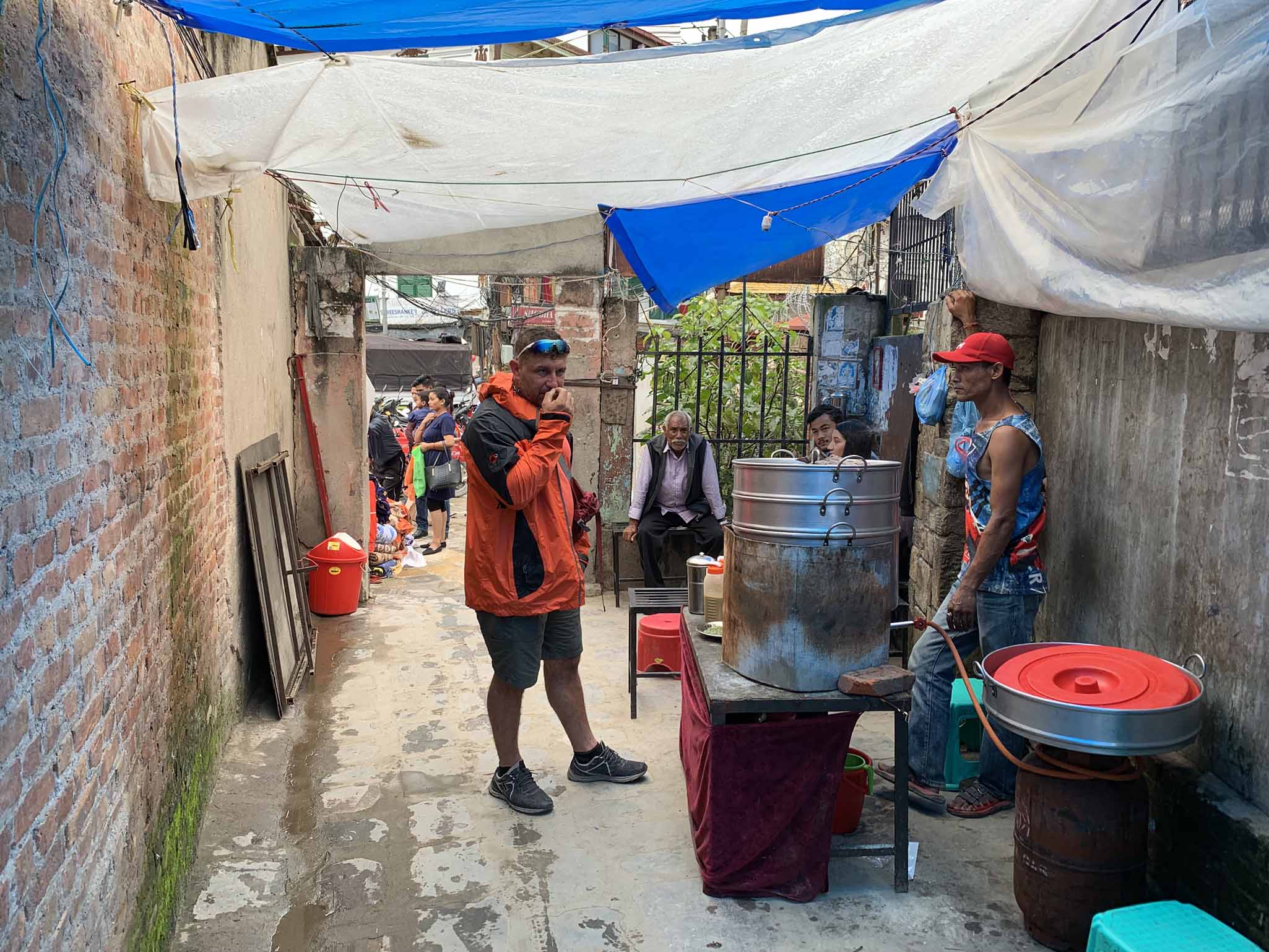
MoMos are steamed dumplings with various fillings . MoMo its a Nepali traditional dish. Yes , perhaps someone will say “ wait a minute !! MoMo its Tibetan and I heard they have them in some parts of India ?!“ . “Well you are partly rightI “ I will say :) . MoMo is very popular in Himalayan area but the traditional Nepalese MoMo have specific ingredients . The key differentiator between the Nepali recipe and others further afield is the dipping sauce Traditionally served up with a fiery tomato chutney called Achaar. And that my friend’s what make them unique . We can assure you that we couldn't get enough of them. We try them in many locations and I can tell you ( which we tested in real life lol ) best food is where local eats . Forget it fancy restaurants hahah street table with not matching colors table cloth’s … but definitely will give you unforgivable experience ( ha ha no we are not talking about diarrhea here ) We have already spent some time writing about food but I forgot to mention one thing. After a whole day of sightseeing at the end of the day we were offered tea. But not like in the US or most tourist places “lipton most fines”, specific to this region. Nepali tea is a beverage made from the leaves of tea plants Camellia Sinensis which grown in Nepal. They are distinctive in appearance, aroma and taste, but are similar in many ways to Darjeeling tea. It comes as green, white and black tea. But that's not all. It is served with freshly grated ginger and honey and freshly squeezed juice from half a lemon. I can say it is sensational!!! We recommend it!
What we saw and recommend
1. Kathmandu Durbar Square
2. Pashupatinath
3. Swayambhunath
4. Boudhanath
5. Thamel
6. Kopan Monastery
7. Chandragiri Hills
8. White Gumba (Seto Gumba)
9. Ason
10. Narayanhiti Palace Museum
Pashupatinath Temple.
Our first stop was Pashupatinath Temple. Its about an hour and a half walk from Kathmandu Eco Hotel. On the way, it is worth to go of track to visit Bijeshwari Temple. We finally got to the outskirts of the temple . As much as we got exited we got hit with unpleasant surprise. Visiting temple for tourists is practically impossible .Security only allow practicing Hindus of South Asian and Buddhists of Nepali and Tibetan descent into the temple courtyard. We been aloud to explore outskirts of the Pashupatinath Temple and manage to go around it on the hill and through the fence got just a glimpse of what’s inside. We did see little bit.
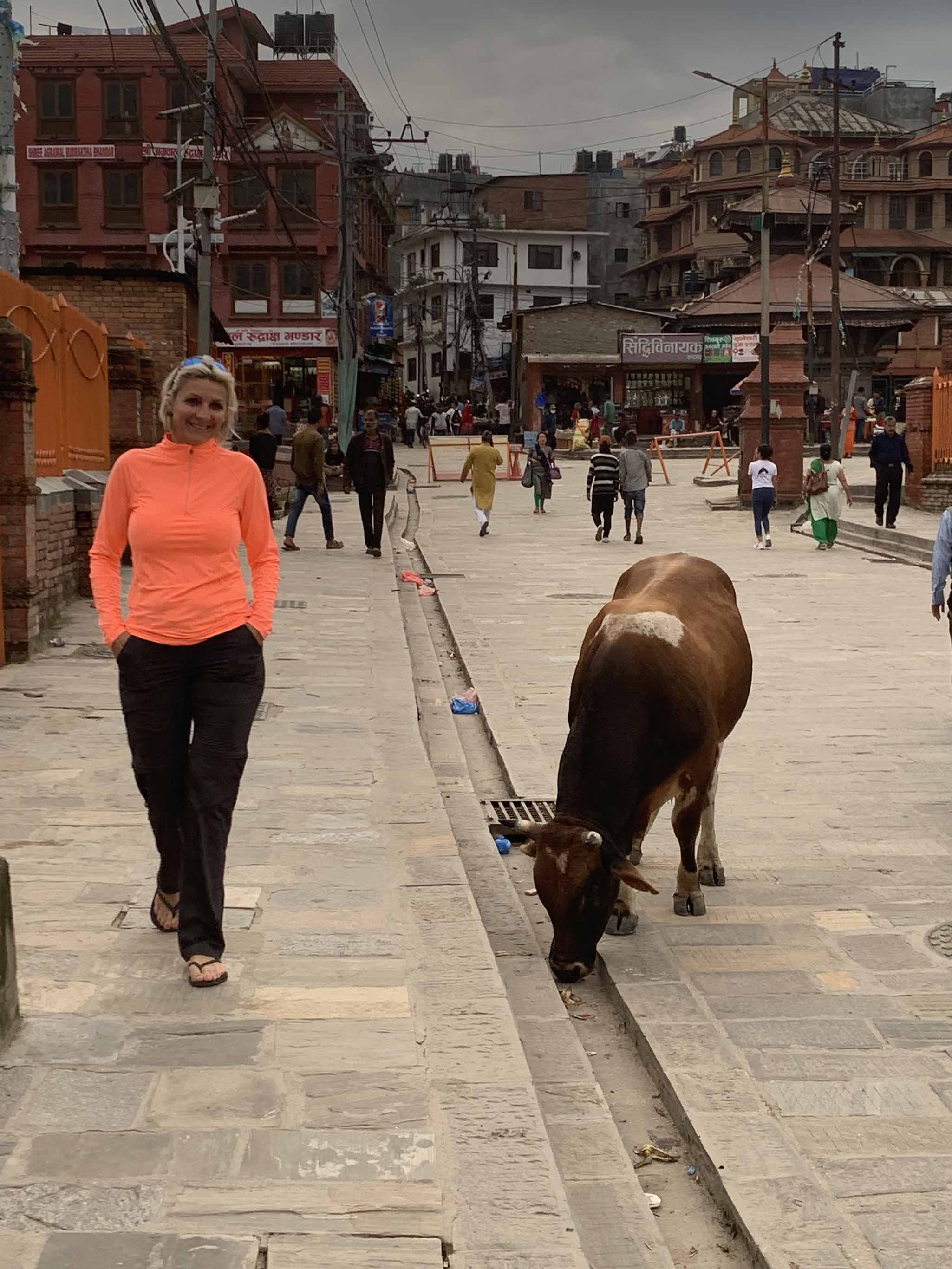
“Holy Cows” which are really holly in Kathmandu. In Buddhism, cows are considered sacred animals and are a symbol of compassion and respect for all living beings where in Hindu cow are considered a symbol of life, strength, and abundance. In the nutshell cow its holly animal and you better respect it. Nepalese take holy cow very series.In Nepal, the penalty for harming a cow is a fine of up to 50,000 rupees ($380) and up to six months in prison. The penalty for killing a cow is up to three years in prison. They stop traffic and if you travel in any way the cow have right of way. The streets are cover with poop do to cow’s released themself anywhere and nobody clean this up.
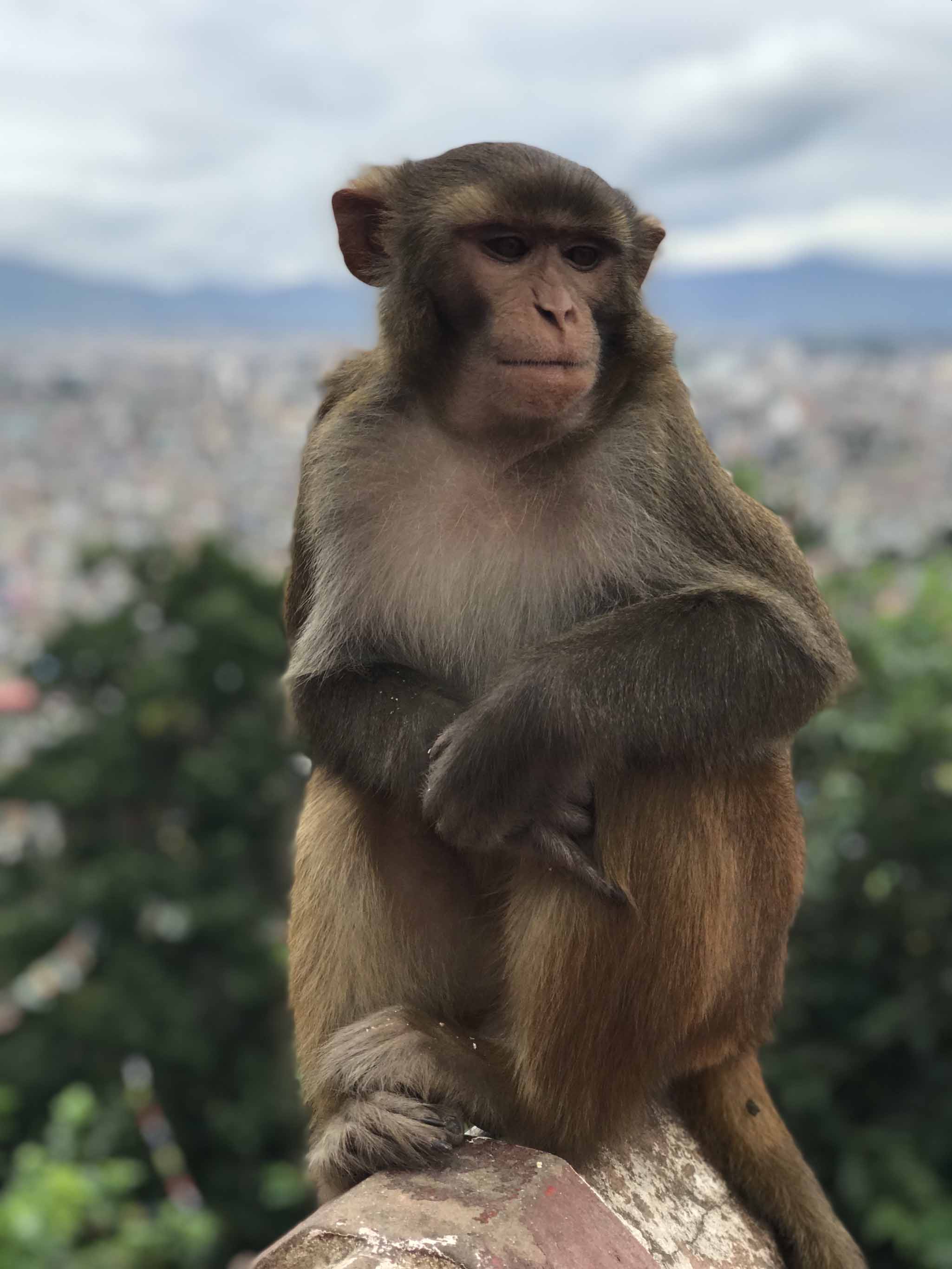
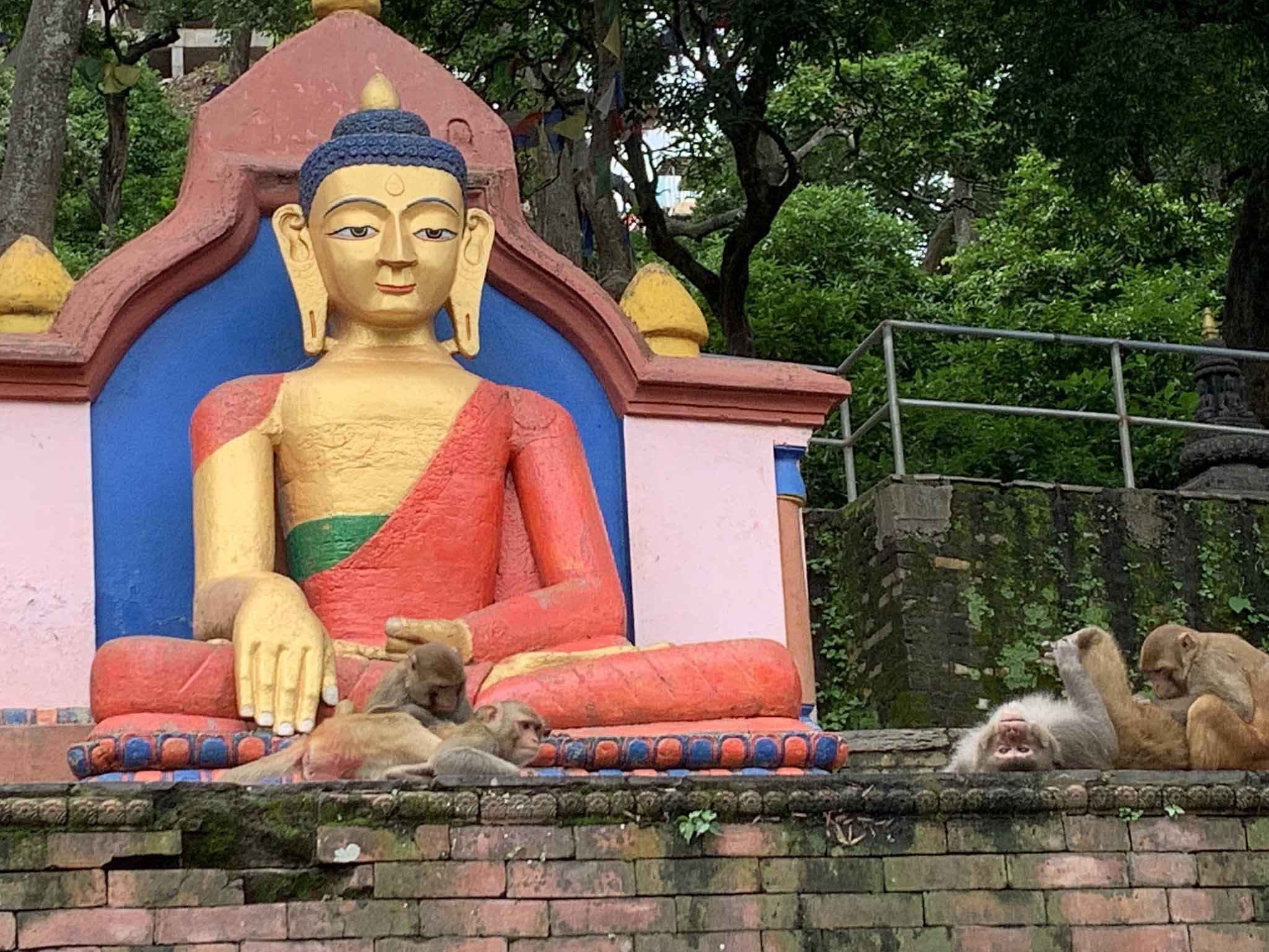
Swoyambhu Mahachaitya the Monkey Temple. From Tamel it is relatively short walking distance (around 3.5 km) which can be done in about 30-40 min. But there is not much to see on the way there so we recommend to take taxi. Maybe we can tell you a little about this place. It is quite an unusual temple. First of all, it is a reconstruction of the original temple that was damage but it got beautify rebuild .It was named Money Temple because of its sacred significance to animals, especially hundreds upon hundreds of delightful Rhesus Macaque monkeys. It is worth knowing that The Swayambhunath Stupa is a significant Buddhist pilgrimage site and a UNESCO World Heritage Site.
The next day which was our last in Kathmandu before we set off into the country, to Pokhara. Knowing that the next day awaited us a 12 hour (which is not guarantee, it can be and was longer) bus ride we were not going to overexert ourselves ha ha. We saw two more places. Kathmandu Durbar Square and Buddha Stupa. Kathmandu Durbar Square is not only a cluster of historical buildings, temples or places of prayer and re-quests for blessing. It is also a huge market. Here, among the local strumming music, songs and hustle and bustle of the local population and tourists, the loud voice of sellers intertwines, calling for the purchase of "the best in the world" ... whatever it is that he sells. If you plan to buy souvenirs or just something for yourself but traditional, this is your place. Everyone will find something for them.
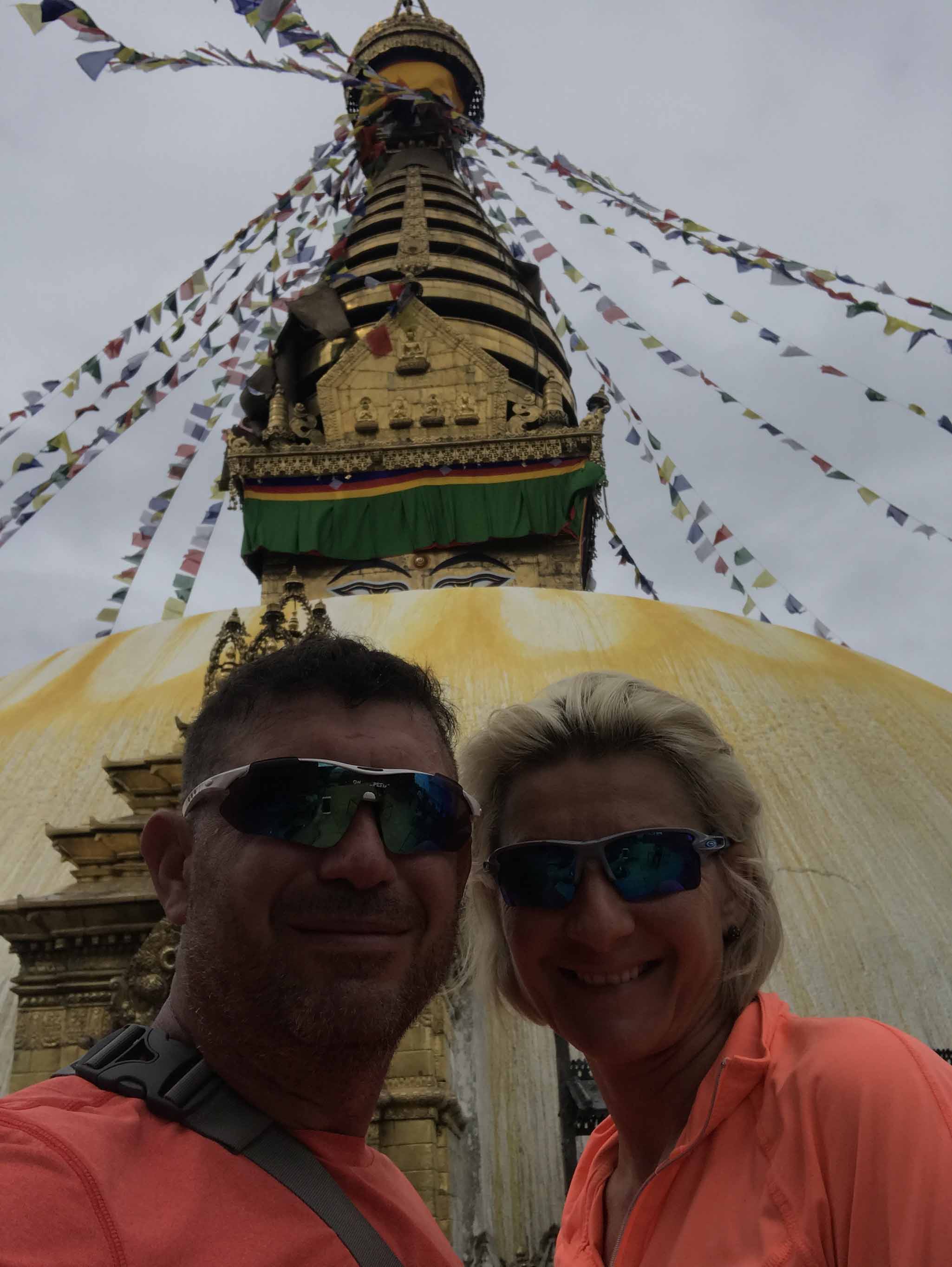
Boudha Stupa is our last stop for today. It is a another a monument of Buddhist Culture listed in world heritage list by UNESCO in 1979 and it is one of the most popular tourist sites in Kathmandu. The stupa dates from 600AD and was built by a Tibetan king. The stupa is a historical pilgrimage site for all the Buddhists around the world. The stupa was built using 20 kilograms of gold for decoration.. In 2015 the Stupa was destroyed during the earthquake. However, it was rebuilt to its original glory, and that only with donations from the faithful.
Interesting fact: When we got back to the hotel, we decided to freshen up. I have to go back in time a few hours. This is the period before the pandemic, so wearing masks was not an everyday occurrence. So we wondered why so many people wear them. And we went back to the hotel again, where we decided to take a bath. The mystery of the masks explained itself. At the bottom of the bathtub we had mud like in a river ahaha. It turned out that the air in the city has a huge dust content from the still rising Himalayas. Yeap, you hear me right ,they continue to grow Our visit to Kathmandu is coming to an end. This time it was a short stop on our journey through Nepal. Next stop Phukara. This is where our journey to the Himalayas began... but more on that next time.
Kris
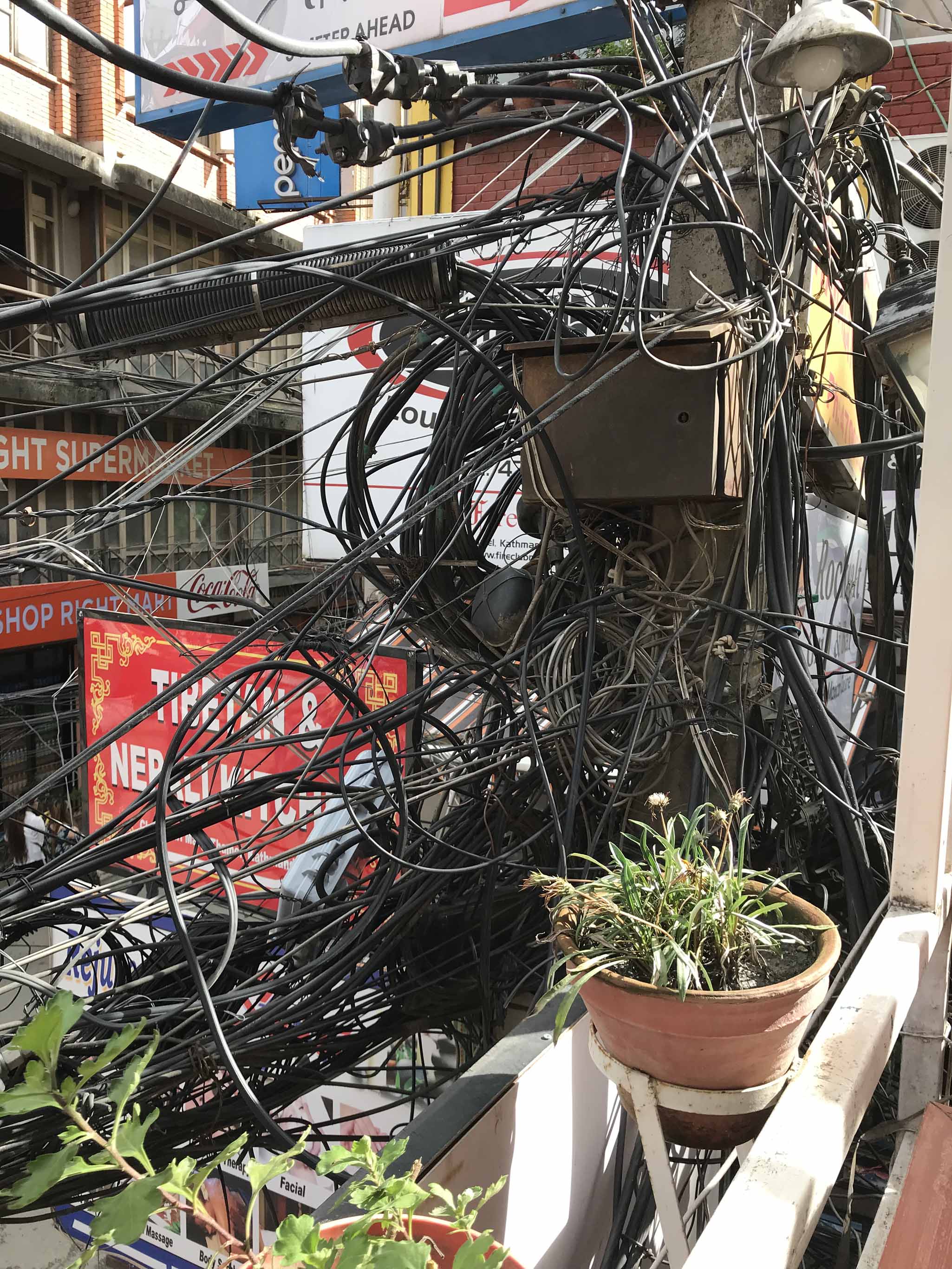
P.s A bit of humor at the end of the day. When we stopped to eat something on the restaurant terrace I noticed the electric poles. We burst out laughing when I said to my Brydziunia ... OMG, how do the electricians and cable guys manage here? What do you think, is it hard for them?